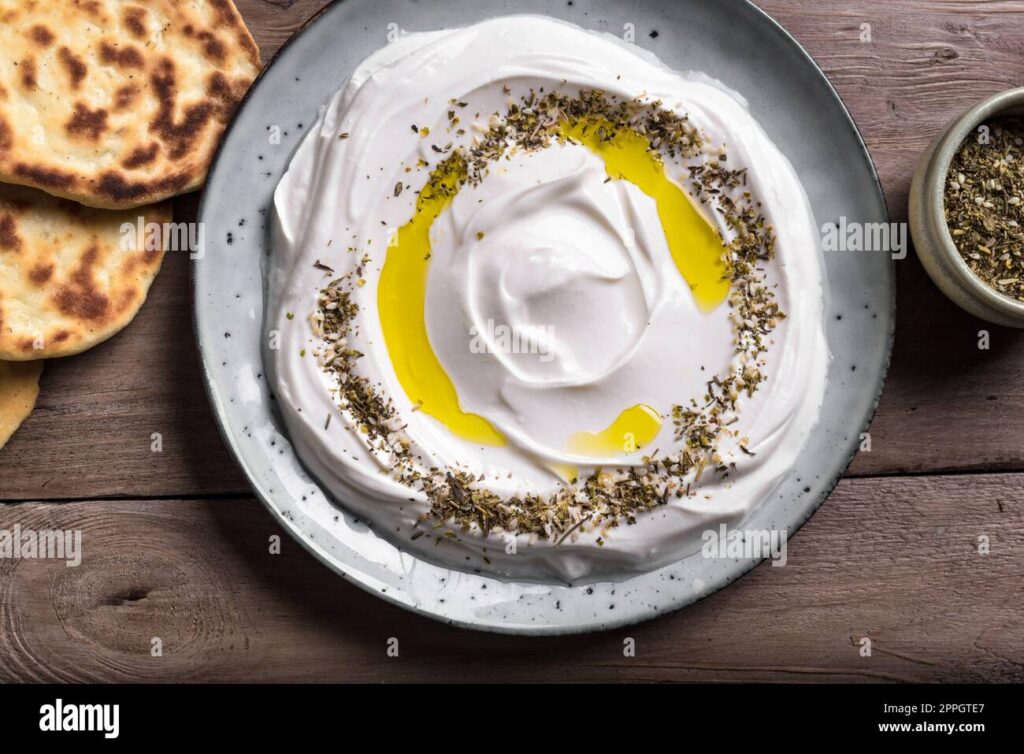
Labneh, a strained yogurt cheese, is a staple in Middle Eastern cuisine. Its tangy, creamy texture makes it incredibly versatile – perfect for spreading on pita bread, dipping vegetables, or simply enjoying as a light and refreshing snack. While readily available in many stores, making your own Labneh at home is surprisingly simple, rewarding, and allows you to control the ingredients and level of tanginess. This recipe guides you through the process of creating authentic Middle Eastern Labneh Yogurt, ensuring a delightful culinary experience.


This guide provides a detailed, step-by-step approach, ensuring that even novice cooks can achieve excellent results. From selecting the right yogurt to mastering the straining process, we cover every aspect of making homemade Labneh. With just a few simple ingredients and a little patience, you can enjoy this delectable Middle Eastern delicacy anytime you desire. Enjoy it drizzled with olive oil and za’atar, or used as a base for savory dips and spreads.

Recipe Overview
| Category | Value |
|---|---|
| Preparation Time | 5 minutes |
| Straining Time | 24-48 hours |
| Servings | 4-6 |
| Difficulty | Easy |
Nutrition per Serving (Approximate)
| Nutrient | Amount |
|---|---|
| Calories | 80-120 |
| Protein | 8-12g |
| Fat | 5-8g |
| Carbohydrates | 3-5g |
Please note that the nutritional information is an estimate and can vary based on the specific ingredients used, particularly the fat content of the yogurt. Homemade Labneh Yogurt is a protein-rich and relatively low-carb option, making it a healthy and satisfying choice.

Ingredients
| Ingredient | Quantity |
|---|---|
| Plain Yogurt (Full-fat or Greek) | 32 ounces (900g) |
| Salt | 1/2 teaspoon (or to taste) |
| Optional: Olive Oil | For serving |
| Optional: Za’atar | For serving |
Ingredient Notes:
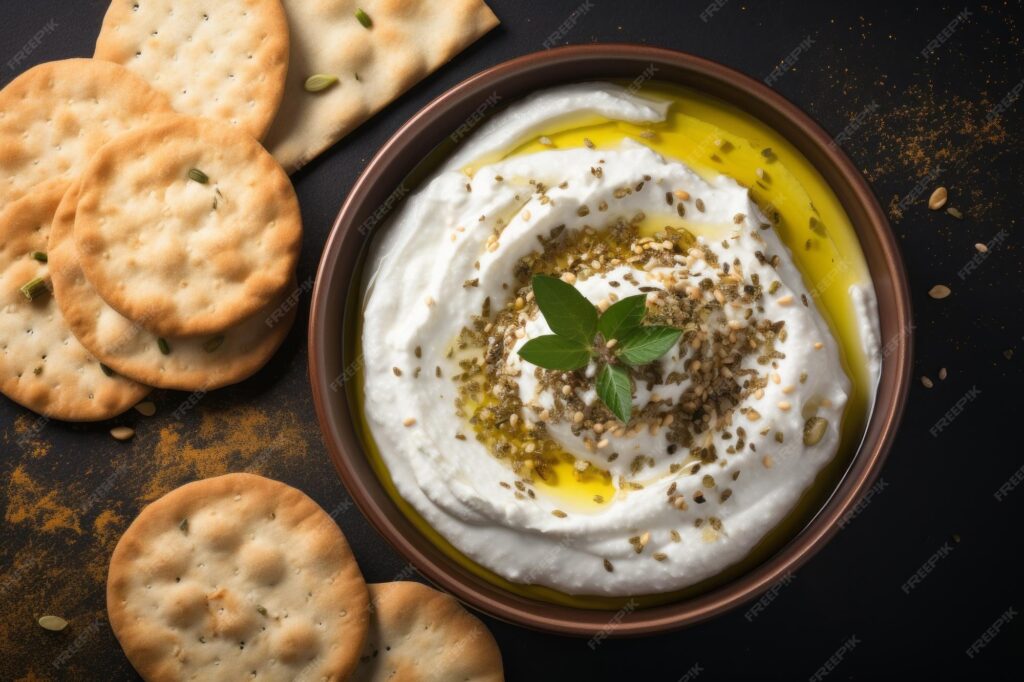
- Yogurt: Full-fat yogurt will yield a richer and creamier Labneh. Greek yogurt works well too, as it already has some of the whey removed. Avoid using flavored or sweetened yogurt. The quality of the yogurt directly impacts the taste and texture of your Labneh. Using a high-quality, plain yogurt is crucial for achieving the best results. Look for yogurt with a simple ingredient list, ideally containing just milk and live cultures.
- Salt: Salt enhances the flavor and helps draw out moisture during the straining process. Adjust the amount to your preference.
- Olive Oil: High-quality extra virgin olive oil is recommended for serving, adding a fruity and peppery note to the Labneh.
- Za’atar: This Middle Eastern spice blend is a perfect complement to Labneh, offering a savory and aromatic flavor.
Cooking Instructions
- Prepare the Straining Setup: Line a colander with several layers of cheesecloth or a clean, thin kitchen towel. Make sure the cheesecloth or towel is large enough to fully contain the yogurt. Place the colander over a bowl to collect the whey (the liquid that strains out). This bowl should be deep enough to prevent the colander from sitting in the collected whey.
- Combine Yogurt and Salt: In a bowl, gently mix the yogurt and salt. Be careful not to overmix. Overmixing can affect the final texture of the Labneh Yogurt. The salt not only enhances the flavor but also aids in the draining process, helping to draw out more moisture from the yogurt.
- Transfer to Cheesecloth: Pour the yogurt mixture into the cheesecloth-lined colander. Gather the edges of the cheesecloth and tie them together to form a secure bundle. This will help the yogurt strain evenly and prevent any from escaping.
- Weigh it Down (Optional): For a thicker Labneh, place a light weight (such as a can of beans or a small plate) on top of the yogurt bundle. This helps to press out more whey. Avoid using excessive weight, as this can result in a dry and crumbly Labneh.
- Refrigerate and Strain: Place the bowl with the colander and yogurt bundle in the refrigerator. Let it strain for 24-48 hours, depending on the desired consistency. The longer it strains, the thicker the Labneh will be. Check the bowl periodically and discard the accumulated whey. The straining time is crucial in determining the final texture of your Labneh Yogurt.
- Check the Consistency: After 24 hours, check the consistency of the Labneh. If it’s not thick enough, continue straining for another 12-24 hours. The ideal consistency should be similar to cream cheese.
- Store the Labneh: Once the Labneh has reached the desired consistency, transfer it to an airtight container. It can be stored in the refrigerator for up to 1 week. Storing it properly is essential to maintain its freshness and prevent it from absorbing odors from the refrigerator.
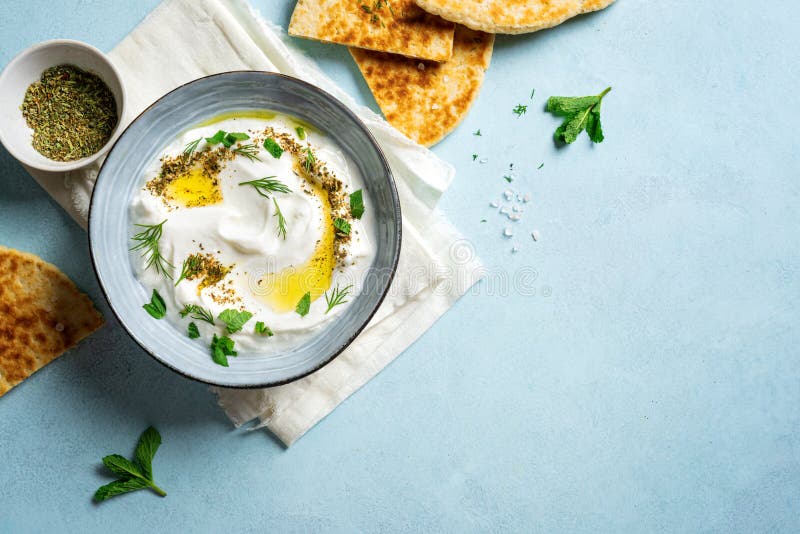
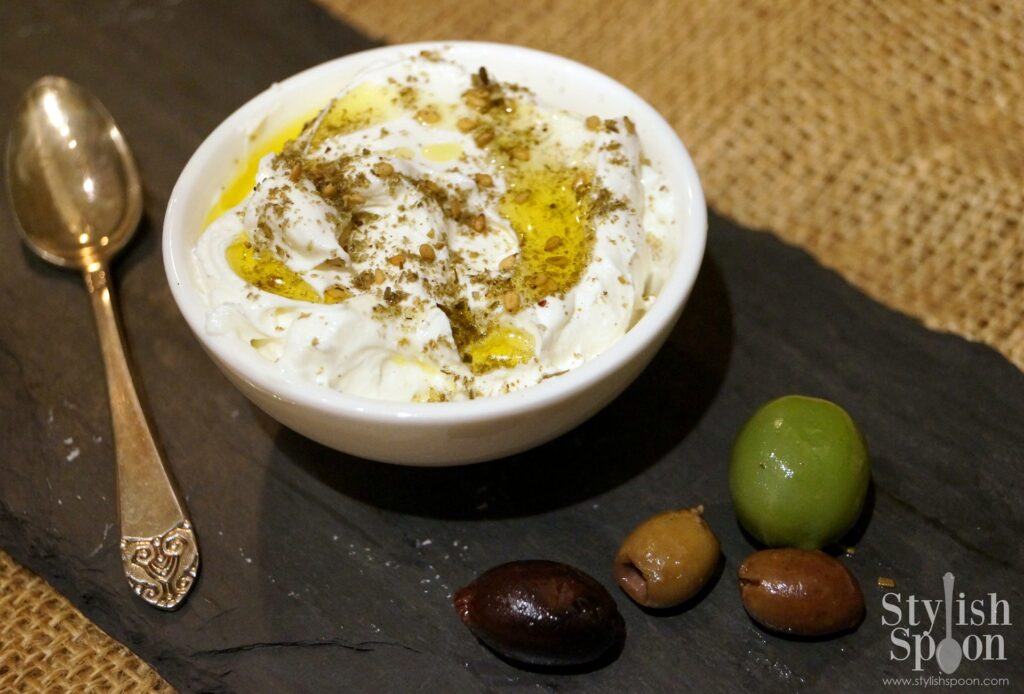
- Serving Suggestions: Serve the Labneh drizzled with olive oil and sprinkled with za’atar. It’s also delicious with fresh herbs, chopped vegetables, or a drizzle of honey. Enjoy it with pita bread, crackers, or as a dip for vegetables.
Making homemade Labneh Yogurt is a simple yet rewarding culinary experience. The process of straining the yogurt transforms it into a creamy, tangy delight that can be enjoyed in countless ways. By following these detailed instructions, you can create your own batch of authentic Middle Eastern Labneh and elevate your culinary creations.

Serving Suggestions for Labneh Yogurt
- Classic Middle Eastern Style: Drizzle generously with extra virgin olive oil and sprinkle with za’atar. Serve with warm pita bread, olives, and sliced cucumbers.
- Breakfast Delight: Spread on toast or bagels and top with sliced tomatoes, cucumbers, and a sprinkle of red pepper flakes.
- Vegetable Dip: Use Labneh as a base for a creamy vegetable dip. Mix in chopped herbs, garlic, and lemon juice.
- Salad Dressing: Thin Labneh with a little water or lemon juice to create a tangy and refreshing salad dressing.
- Sweet Treat: Drizzle with honey or maple syrup and top with fresh berries for a simple and healthy dessert.
- Sandwich Spread: Use Labneh as a healthier alternative to mayonnaise in sandwiches and wraps.
- Pizza Topping: Add dollops of Labneh to pizzas after baking for a creamy and tangy finishing touch.
- Grilled Meat Accompaniment: Serve alongside grilled meats or vegetables for a cooling and refreshing contrast.
- Stuffed Vegetables: Use Labneh as a filling for stuffed vegetables such as zucchini or bell peppers.
- Dessert Base: Layer Labneh with granola and fruit in parfait glasses for a simple and elegant dessert.
These are just a few suggestions to get you started. Feel free to experiment and find your own favorite ways to enjoy Labneh Yogurt. Its versatility and delicious flavor make it a welcome addition to any meal.

Tips and Notes for Perfect Labneh
- Choosing the Right Yogurt: Full-fat yogurt will produce the richest and creamiest Labneh. While Greek yogurt can be used, it will result in a slightly thicker and less tangy product. Avoid using low-fat or non-fat yogurt, as they may not strain properly.
- Adjusting the Straining Time: The straining time will determine the final consistency of your Labneh. For a spreadable consistency, strain for 24 hours. For a thicker, cream cheese-like consistency, strain for 48 hours or longer.
- Using a Clean Cheesecloth: Ensure that the cheesecloth or kitchen towel is clean and free of any detergents or fragrances. This will prevent any unwanted flavors from transferring to the Labneh Yogurt.
- Adding Flavor: While Labneh is delicious on its own, you can customize it by adding your favorite herbs, spices, or seasonings. Consider adding chopped mint, dill, garlic, or red pepper flakes to the yogurt before straining.
- Storing Leftovers: Store leftover Labneh in an airtight container in the refrigerator for up to one week. If any whey accumulates on the surface, simply drain it off before serving.
- Don’t Discard the Whey: The whey that is strained from the yogurt is rich in nutrients and can be used in other recipes. Use it to add flavor and moisture to smoothies, soups, or baked goods.
- Experiment with Different Yogurt Types: Try making Labneh with different types of yogurt, such as sheep’s milk yogurt or goat’s milk yogurt, to explore different flavors and textures.
- Serving at Room Temperature: For the best flavor and texture, serve Labneh at room temperature. This will allow the flavors to fully develop.
- Troubleshooting: If your Labneh is too dry, try adding a tablespoon or two of olive oil or milk to loosen it up. If it’s too wet, continue straining for a few more hours.
- Enjoy the Process: Making homemade Labneh Yogurt is a simple and rewarding experience. Take your time, experiment with different flavors, and enjoy the process of creating your own delicious Middle Eastern delicacy.
Labneh, in its essence, is more than just strained yogurt; it’s a versatile canvas for culinary creativity. Its tangy profile complements both sweet and savory elements, making it an invaluable addition to your kitchen repertoire. This homemade Labneh Yogurt recipe unlocks the potential to create a dish that is uniquely yours, tailored to your preferences and culinary imagination. Embrace the simplicity and discover the endless possibilities that Labneh offers.
With its creamy texture and refreshing tang, homemade Labneh Yogurt is a testament to the beauty of simple ingredients transformed into something extraordinary. So, gather your yogurt, prepare your straining setup, and embark on this delightful culinary journey. The reward is a batch of authentic Middle Eastern Labneh that you can savor and share with loved ones, bringing a taste of the Mediterranean to your table.
Making Labneh Yogurt at home is a journey of culinary exploration. Each batch you create offers an opportunity to refine your technique and experiment with new flavors. Embrace the process, savor the results, and let the creamy, tangy delight of homemade Labneh elevate your meals and inspire your culinary creativity. From classic Middle Eastern mezze to innovative modern dishes, Labneh Yogurt is a versatile ingredient that is sure to impress.